
UK Gambling Commission Ushers in 2026 iGaming Reforms with Stake Caps, Bonus Bans, and Steep Tax Hike
The UK Gambling Commission (UKGC) has rolled out transformative regulations targeting the online gambling landscape, set to reshape how operators handle slots and bonuses starting in 2026, while a hefty new tax kicks in come April 1; these moves, backed by £26 million from the government, zero in on player protection, curbing excessive play, and squeezing out illicit operators who skirt the rules.
Stake Limits Take Center Stage for Online Slots
Operators now face tiered maximum stakes on online slots, dropping to £2 per spin for players aged 18-24, while those 25 and older see a £5 cap; this setup acknowledges varying vulnerability levels among younger punters, who data from prior studies shows engage more intensely with high-speed games like slots. Experts who've tracked gambling patterns note how such limits aim to slow down rapid losses, preventing the kind of binge sessions that pile up harm, especially since slots account for a chunky slice of problem gambling reports.
But here's the thing: these aren't blanket rules; age verification tech, already mandated under UKGC guidelines, enforces the split, meaning platforms must scan IDs in real-time to apply the right limit, and operators who slip up risk hefty fines or license pulls. One observer familiar with compliance rolls points out that similar curbs on fixed-odds betting terminals (FOBTs) in shops years back slashed session stakes from £100 to £2, proving the model works to dial back risks without killing the fun for casual players.
Ban on Mixed Bonuses Cuts Cross-Selling Ties
Cross-promotions just got axed, with the UKGC banning bonuses that blend sports betting offers with casino lures like slots, a tactic operators loved for funneling bettors from low-risk football wagers into high-volatility spins; turns out, this mixed-product strategy fueled unintended escalations, as reports highlighted how free bets on matches morphed into slot marathons for some. Now, bonuses stay siloed—sports perks can't tease casino games, and vice versa—giving punters clearer choices and operators less wiggle room to nudge players toward riskier turf.
What's interesting is how this plugs a loophole; previous lax rules let sportsbooks dangle "wider site" incentives, but regulators, drawing from player feedback surveys, saw the pattern where novice sports fans tumbled into slots, amplifying harm stats that peg casino games as twice as problematic as pure sports betting. Platforms adapt by ring-fencing promotions, so a £10 footy free bet stays just that, no hidden slot spin gateway attached.
Remote Gaming Duty Jumps to 40% from April 1, 2026
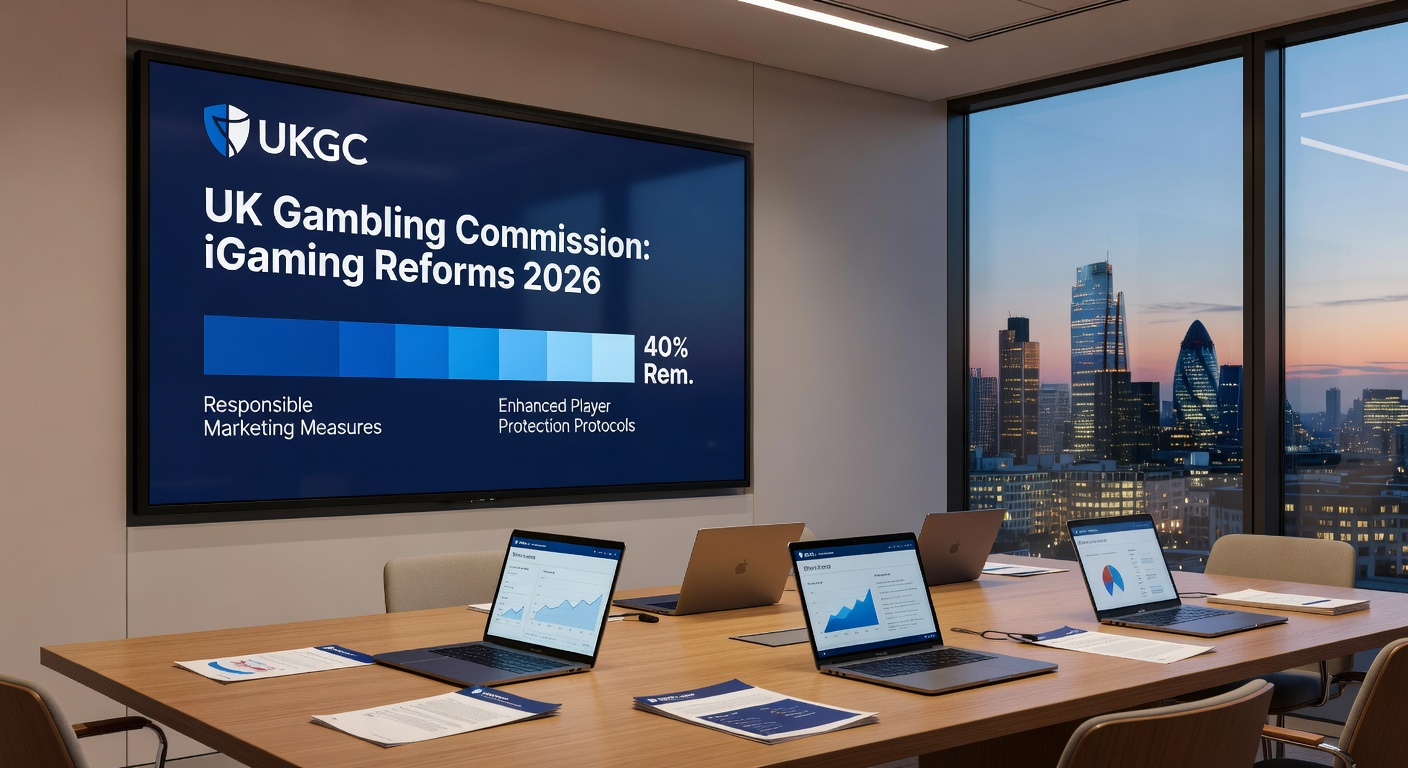
Tax bills spike dramatically too, as the Remote Gaming Duty climbs to 40% effective April 1, 2026, hitting online operators on their gross gambling yield from UK players; this hike, part of broader fiscal tweaks, layers onto existing levies, potentially squeezing margins for firms already navigating compliance costs. Data from Treasury announcements reveals the rationale ties to funding public services while targeting remote sectors that ballooned post-pandemic, with online GGY surging in recent quarters.
Operators brace for the pinch—think tighter ad budgets or pared-back perks—yet the UKGC frames it alongside safety wins, arguing higher duties deter shady offshore sites that dodge taxes and safeguards alike. Those who've crunched the numbers estimate legitimate firms might pass some costs via adjusted odds or fewer promos, but the real play stays on curbing the illegal market, where untaxed platforms lure vulnerable punters with unchecked stakes.
£26 Million Boost Powers the Safety Push
Government coffers pour £26 million into the mix, earmarked for treatment services, research, and enforcement muscle to back these reforms; funds flow toward expanding GambleAware programs, bolstering helplines like those at Gambling Commission sites touting "new rules boosting safety and consumer choice," and ramping up audits on age checks plus affordability nudges. It's noteworthy that this cash injection aligns with rising demand, as helpline calls jumped amid economic squeezes, underscoring why regulators double down now.
And while the spotlight hits online slots, echoes reach betting shops too; earlier FOBT fixes slashed roulette-style game stakes, transforming high-street haunts from binge zones into measured venues, with one study post-2019 changes showing a 30% drop in session harms. People who've monitored these shifts often discover that layered protections—tech, limits, funding—compound to reshape behaviors across the board.
Tackling Binge Play and the Shadow Market
Reducing binge gambling sits at the core, with stake tiers and bonus walls designed to enforce natural breaks in play, since slots' fast cycles (up to 10 spins a minute) amplify losses before self-limits kick in; evidence from pilot data indicates slower paces cut overspend by 20-40% among at-risk groups. Simultaneously, the illegal market feels the heat, as compliant sites with capped stakes and verified bonuses outshine rogue apps promising unlimited thrills, drawing players back to regulated safety nets.
Take the case of offshore operators who've historically poached UK traffic with no-stake slots and wild bonuses; now, armed with higher duties and enforcement cash, the UKGC ramps up blocks and prosecutions, mirroring successes against unlicensed poker rings. Observers note how this multi-prong attack—caps, silos, taxes, funds—not only shields locals but stabilizes the legit industry, where firms like Entain and Flutter already tout voluntary safeguards ahead of mandates.
So as April 2026 nears, platforms roll out updates: dashboards flag age-tiered limits, bonus pages segregate offers, and tax teams recalibrate; punters, meanwhile, spot the changes in smaller spins and cleaner promotions, with tools like session timers gaining prominence. That's where the rubber meets the road—real-time tweaks that data promises will trim harm rates industry-wide.
Broader Context from Past Reforms
These 2026 steps build on FOBT overhauls that neutered roulette wheels in shops by capping bets at £2 and sessions at five minutes, a move that shuttered some venues but slashed problem gambling referrals by double digits; researchers who've dissected the fallout found operators pivoted to sports-focused floors, proving adaptability trumps apocalypse fears. Now, online mirrors that blueprint, extending protections to digital slots where binge risks run hottest.
Yet challenges linger; verification glitches could snag smooth play, and tax hikes might spark promo droughts, but UKGC pilots stress education campaigns will bridge gaps, teaching punters about tiers while operators train on compliance. One report from the Racing Post details how stakeholders gear up, with trade bodies like the Betting and Gaming Council endorsing the safety thrust even as they lobby on tax relief.
Conclusion
The UKGC's 2026 package—tiered £2/£5 slot stakes, siloed bonuses, 40% duty from April 1, all fueled by £26 million—marks a pivotal clampdown on iGaming excesses, echoing FOBT wins while fortifying online defenses against binges and black markets; stakeholders adapt swiftly, players gain guardrails, and data will soon reveal if harms dip as projected, solidifying the UK's rep as a regulated gambling pacesetter.