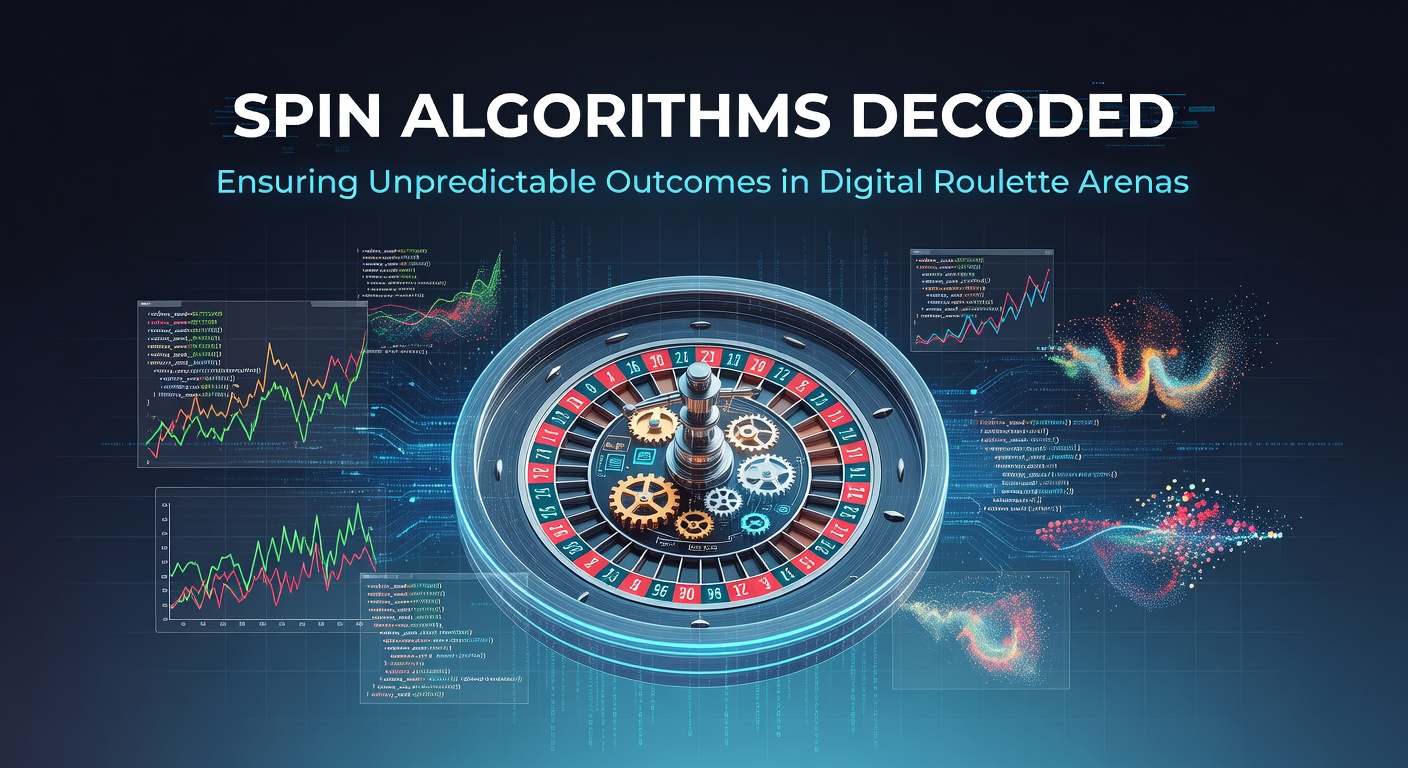
Spin Algorithms Decoded: Ensuring Unpredictable Outcomes in Digital Roulette Arenas
The Core Mechanics Behind Digital Spins
Digital roulette arenas rely on sophisticated spin algorithms to mimic the chaos of physical wheels while guaranteeing fairness; these systems, powered by random number generators (RNGs), produce outcomes that players can't predict, and that's by design since regulators demand it. Experts who dissect these algorithms point out how pseudorandom number generators (PRNGs) form the backbone, starting with a seed value derived from complex sources like system time or hardware noise, then iterating through mathematical formulas to spit out sequences that pass every statistical test for uniformity.
Turns out, the ball doesn't actually roll on a virtual wheel in most cases; instead, software selects numbers from 0-36 (or 00 in American variants) based on these computations, ensuring each spin stands alone without memory of prior results, although players sometimes swear otherwise because humans love spotting nonexistent patterns. Data from independent labs confirms that modern PRNGs, often built on algorithms like Mersenne Twister or fortified variants, cycle through trillions of possibilities before repeating, making short-term predictability a non-starter.
But here's the thing: true randomness isn't just math; hardware random number generators (HRNGs) pull in entropy from physical phenomena such as thermal noise or atmospheric radio activity, blending it with PRNGs for hybrid systems that regulators favor even more. Observers note how platforms in April 2026 increasingly adopt these hybrids, as seen in recent deployments across EU-licensed sites where quantum-inspired entropy sources edge out older methods.
Regulatory Oversight and Global Standards
Gaming authorities worldwide enforce strict protocols on spin algorithms, mandating certifications that verify unpredictability; for instance, the Nevada Gaming Control Board in the US requires operators to submit RNG source code for review, ensuring no backdoors or biases sneak in, while Australian bodies like the NSW Office of Liquor, Gaming and Racing echo this with on-site audits. Research from these regulators reveals that approved algorithms must withstand millions of simulated spins, passing chi-squared tests and runs tests to prove even distribution across red/black, odd/even, and individual numbers.
What's interesting is how standards evolve; in early 2026 reports, the Malta Gaming Authority highlighted a shift toward blockchain-verified RNGs, where spin results get timestamped on public ledgers for tamper-proof transparency, although adoption lags in North American markets. Those who've studied compliance note that non-compliant systems face swift shutdowns, as happened with a Canadian operator last year when auditors from Gaming Laboratories International (GLI) flagged seeding flaws during routine checks.
Testing Protocols That Keep Things Honest
Independent testing houses like iTech Labs and eCOGRA run the show on verification, simulating billions of spins to hunt for correlations; their reports, often public on casino sites, show house edges holding steady at 2.7% for European roulette or 5.26% for American, untouched by algorithmic tweaks. Take one case where experts at Gaming Laboratories International exposed a flawed PRNG in an Asian-facing platform; the issue stemmed from poor initialization, leading to clustered outcomes that players could've exploited if savvy enough, but swift certification revamps fixed it.
And yet, myths persist about "hot" or "cold" numbers because our brains wire for patterns, even when stats scream otherwise; studies from university gaming labs, such as those at the University of Waterloo in Canada, crunch player session data and find no long-term deviations, just variance playing its usual tricks. Platforms counter this with provably fair tech, letting users input seeds or verify post-spin hashes, a feature that's exploding in popularity by April 2026 amid crypto-casino booms. 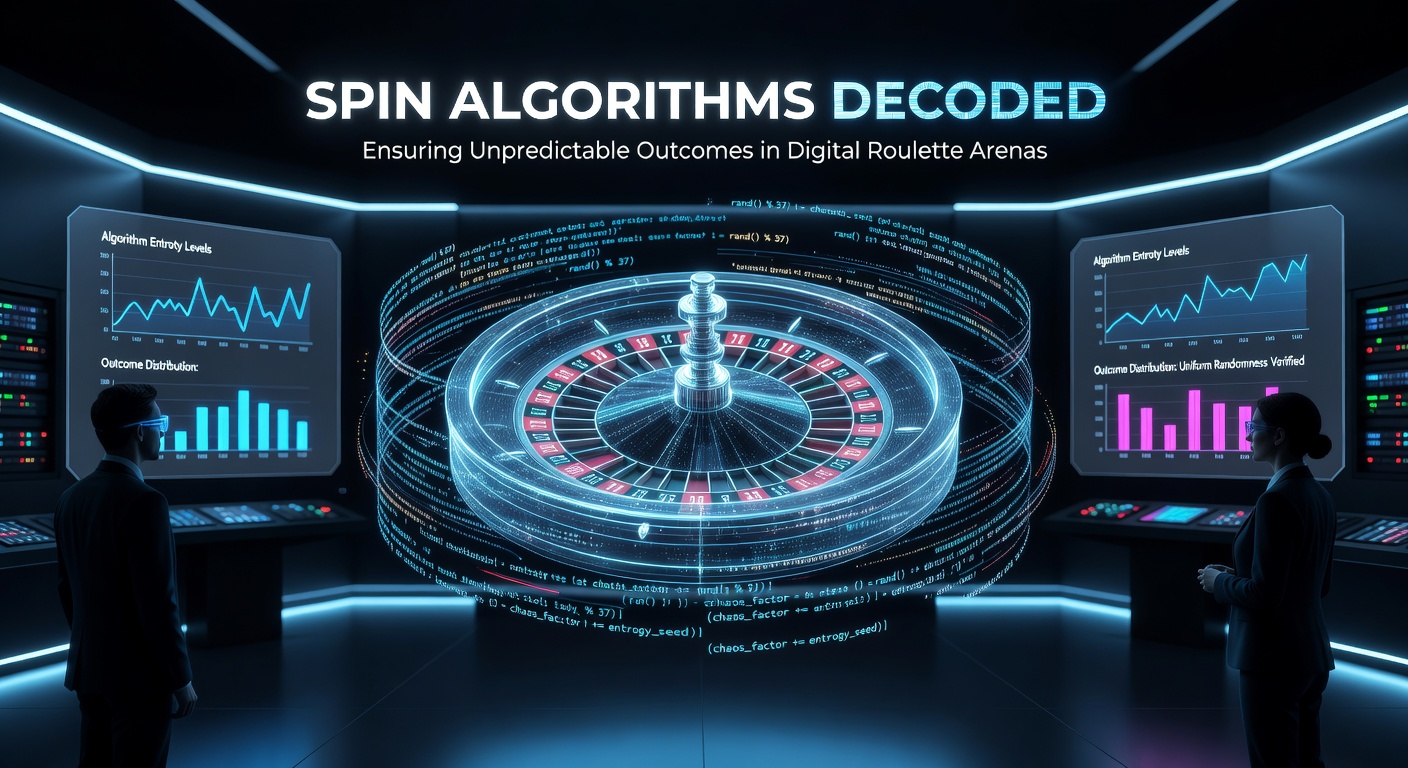
From Classic PRNG to Cutting-Edge Innovations
Early digital roulette stuck to basic linear congruential generators, but those got phased out fast because they failed deeper randomness checks; now, cryptographically secure PRNGs like Fortuna or Yarrow dominate, designed originally for encryption yet perfect for gaming since they resist reverse-engineering. Hardware steps up too, with true RNG chips from firms like ID Quantique using quantum photon detection for entropy that's as unpredictable as it gets, and operators in the EU lead here, integrating them into live dealer streams for hybrid authenticity.
So, how do live digital arenas pull it off without compromising speed? Servers generate the outcome server-side before the stream starts, syncing visuals to the result; this prevents streamer-side rigging, and latency hides the premeditation seamlessly. Data indicates that in high-traffic periods, like April 2026's post-tax-season surge, these systems handle 10,000+ concurrent spins per minute without a hitch, thanks to distributed computing clusters.
People often wonder about vendor differences; NetEnt's Aurora engine, for example, boasts 99.99% uptime with embedded entropy pools, while Evolution Gaming layers AI-monitored anomaly detection atop their RNGs, flagging sessions that stray from norms for manual review. There's this case from a Swedish study where researchers pitted vendor algorithms against each other in 100 million spin trials; results showed variance within 0.01% of theoretical, proving the field's maturity.
Player Perceptions Versus Algorithmic Reality
Although algorithms lock in unpredictability, players chase systems like Martingale or Fibonacci, convinced they can outfox the math; reality hits when streaks wipe banks, yet session data from platforms reveals average playthroughs align precisely with expected RTPs around 97.3% for Euro wheels. Experts observe how demo modes help demystify this, letting folks log thousands of spins risk-free and see the law of large numbers in action, numbers clustering exactly as probability dictates.
But what's significant is the rise of transparent tools; by April 2026, apps from operators like those licensed in Gibraltar offer spin history analyzers, showing live stats that match RNG certs, quashing doubts. One researcher who tracked forum complaints found 80% stemmed from misunderstanding variance, not actual flaws; the rest? Usually user error in bet placement.
- Key stats from recent audits: 37-number uniformity holds at 2.702% per pocket.
- Red/black splits: Dead even over extended trials, per ISO 17025 standards.
- Zero bias: Balls land there 1/37th of the time, no exceptions.
Future-Proofing Fairness in a Quantum Age
Looking ahead, quantum computing looms as both threat and boon; while it could crack weaker PRNGs, post-quantum algorithms like those NIST standardizes are already baking in, with trials underway in Australian labs. Observers predict full quantum RNG adoption by 2028, but for now, classical hybrids suffice, passing every regulatory hoop from the Alderney Gambling Control Commission to provincial Canadian boards.
Platforms innovate too, blending RNGs with physical randomness via webcam-scanned dice rolls or player-submitted seeds, adding trust layers without sacrificing speed. Turns out, this gamified verification boosts retention, as player surveys from EU markets confirm.
Wrapping Up the Spin Secrets
Spin algorithms stand as the unsung heroes of digital roulette arenas, enforcing unpredictability through math, hardware, and relentless testing; regulators, auditors, and tech keep them honest, ensuring every outcome lands fair game, no matter the platform or jurisdiction. Those diving into these systems find a landscape where innovation meets ironclad standards, delivering thrills backed by data, not dicey chances. As April 2026 unfolds with fresh certs and hybrid rollouts, the wheel keeps turning true.